An original method by Dr. Irina Valentin

Art ofEmotions

Developed by Dr. Irina Valentin

Neuropsychologist · Ph.D., C.Psych., SCA · Toronto, Canada

A Neuropsychological Method for Emotional Insight and Identity Transformation

Art of Emotions is a neuropsychological symbolic method developed by Dr. Irina Valentin that uses spontaneous visual expression to reveal emotional and identity patterns stored in the nervous system — particularly those formed before verbal memory.

Scroll

Art of Emotions is a neuropsychological symbolic method for accessing emotional and identity patterns stored in the nervous system before they become verbal. The method is therapeutic. The training courses prepare professionals to apply it safely and systematically in clinical, educational, and community contexts.

The Method

What is Art
of Emotions?

Art of Emotions is a neuropsychological method that uses spontaneous visual expression to access emotional and identity patterns stored in the nervous system before they become verbal.

The method engages right-hemisphere symbolic processing together with reflective verbal integration, where somatic and emotional experience organize into imagery. Through structured observation and reflection, this process creates a pathway from bodily sensation → symbolic emergence → verbal integration → action in the world.

The facilitator's role is not to interpret symbols. The facilitator serves as a mirror, a regulator of safety, and a guide for movement through states. Meaning emerges from the client's own observation and integration — not from external interpretation.

Symbolic observation rather than interpretation. Art of Emotions does not interpret images as symbolic messages. Instead, it observes how emotional and nervous system states organize themselves into symbolic form. Images are treated as emergent patterns of the nervous system, not as representations to decode. Meaning develops through structured observation and reflective integration.

The method is therapeutic. The training is educational. Certification prepares clinicians to recognize nervous system states, read symbolic indicators, and guide movement toward integration.

Key Elements

Spontaneous mark-making
Symbolic emergence
Reflective observation
Identity integration

How the Method Works

How the Art of Emotions
Process Works

Trauma and emotional experiences are often stored in the nervous system before they can be described in words. The Art of Emotions method uses symbolic imagery as a bridge between bodily states and conscious understanding.

01

Interoception

Awareness of internal body signals — sensations, tensions, and impulses before they become named emotions.

Body signals · Pre-verbal
02

Limbic Activation

Emotional states emerge — fear, grief, longing, activation — available to experience without requiring verbal labeling.

Emotional state formation
03

Symbolic Imagery

The right hemisphere organizes emotional experience into images, shapes, and colors — the nervous system's own symbolic language.

Right hemisphere · Images · Shapes · Colors
04

Verbal Reflection

The left hemisphere translates symbolic experience into language and narrative — a bridge between image and conscious understanding.

Left hemisphere · Language · Narrative
05

Metacognition

The individual observes their internal processes — the prefrontal cortex engages, enabling reflection, self-regulation, and the capacity to hold complexity.

Prefrontal cortex · Reflection · Regulation
06

Action & Integration

New patterns emerge in personal, relational, and collective life. The transformed nervous system expresses itself outward.

Personal → Relational → Collective

Transformation Arc

The Nervous System
Transformation Arc

Art of Emotions maps seven phases of nervous system transformation — revealed through symbolic imagery. Each painting in the collection corresponds to one of these phases.

Collapse
Dorsal immobilization
Shutdown. Body and psyche withdraw.
Detachment
Dissociative adaptation
Protective distance from sensation.
Incubation
Subthreshold activation
Something forming beneath awareness.
Emergence
Ventral activation
New imagery arises. System reorganizes.
Testing
Mobilization · Approach
Risk and curiosity coexist.
Integration
Ventral vagal · Coherence
New self-organization stabilizes.
Collective Contribution
Relational expansion
Transformation becomes available to others.

The Paintings

Original Paintings as
Neurobiological Markers

Each painting is a documented marker of a specific nervous system state and transformation phase — a clinical tool, not an art object.
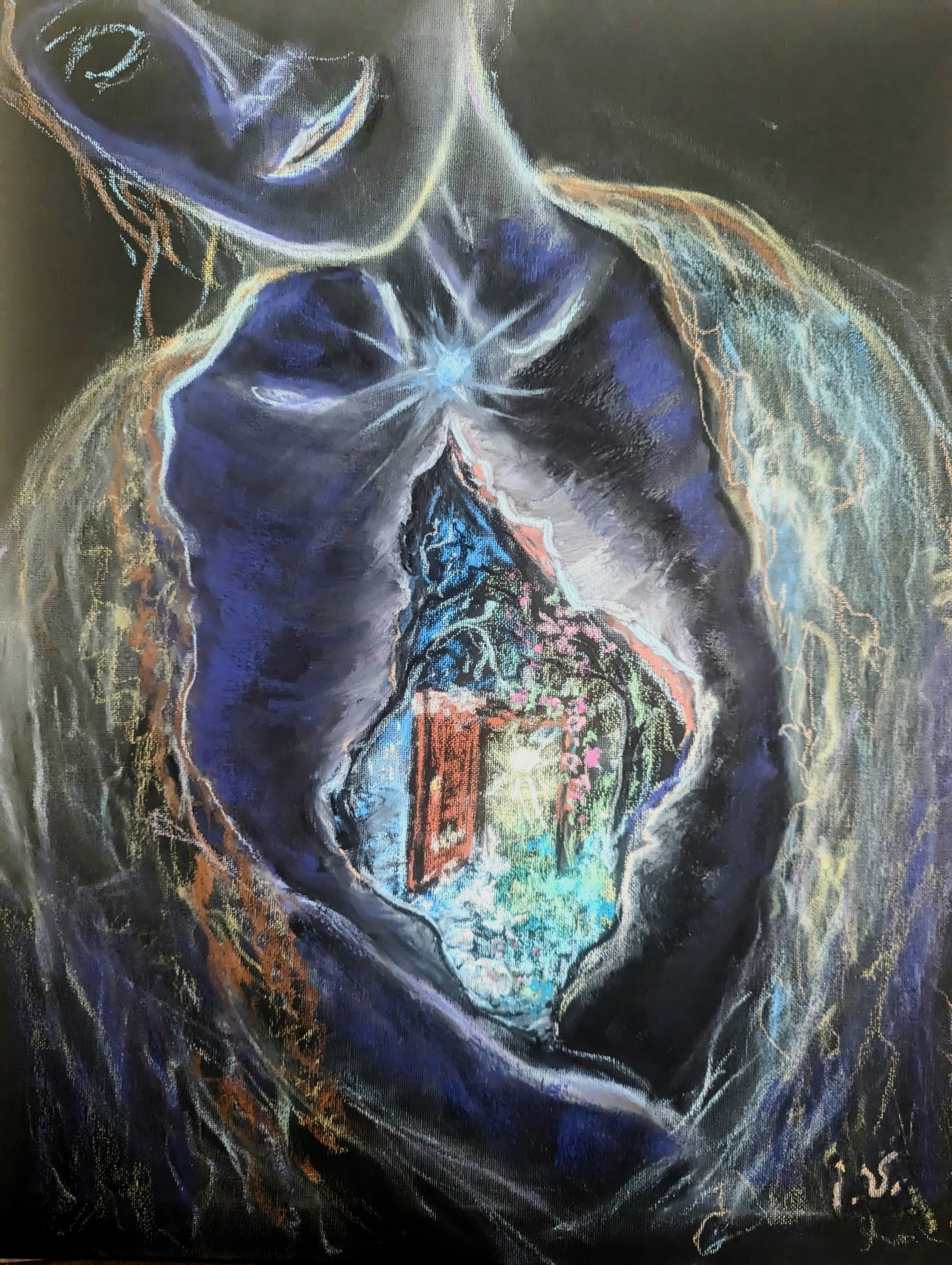
Painting by Dr. Irina Valentin
Incubation → Emergence
Opening
Dorsal-to-ventral transition

A door opens inside the collapsed chest — the first signal of incipient ventral activation within the wound itself.

Painting by Dr. Irina Valentin
Testing
The Alignment
Mobilization · Approach behavior

Testing whether one can move with enormous energy rather than be consumed by it.

Painting by Dr. Irina Valentin
Integration
Bending Reality
Ventral vagal · Coherence

The nervous system has found it can influence the field around it — not merely survive within it.

Painting by Dr. Irina Valentin
Testing → Integration
Polarity
Ventral activation · Holding opposites

The nervous system discovers it can hold contradictory states simultaneously. The hallmark of integration.

Three Pillars

What the method
develops

Three interconnected capacities — from body awareness through symbolic intelligence to identity transformation.

01

Emotional Awareness

Recognizing emotional and somatic patterns that exist before language — accessing the body's implicit knowledge through spontaneous mark-making.

02

Symbolic Intelligence

Observing and interpreting visual forms emerging from the subconscious — building a working relationship with the right hemisphere's symbolic vocabulary as clinical data.

03

Identity Reconstruction

Integrating symbolic insight into a coherent, evolving self-narrative — essential in trauma recovery, major life transitions, and collective disruption.

Who This Is For

Who This
Method Is For

No prior art experience required. The method works through willingness to follow somatic sensation — not aesthetic skill.

Psychologists

Expand assessment and intervention with a structured neuropsychological symbolic tool.

Psychotherapists

Integrate a non-verbal pathway into clinical work — especially for trauma and identity disruption.

Artists

Understand your creative process through a neuroscience-grounded developmental framework.

Educators

Apply symbolic methods in institutional settings to support emotional and identity development.

Researchers

A documented, structured method with validated protocols for academic study.

Individuals

Seeking structured access to deeper emotional and identity patterns through life transitions.
Training

Professional Certification in the
Art of Emotions Method

A structured pathway from experiential foundations to clinical application and authorized teaching.

Foundation Practitioner Instructor
Level 1

Introduction to Art of Emotions

Experiential Foundations of the Method

For: Psychologists · Artists · Educators · Individuals

  • What spontaneous mark-making is and is not
  • The neurobiological access pathway
  • Symbolic observation techniques
  • Emotional pattern recognition
  • Personal reflective practice
Enquire about Level 1 →
Level 3

Authorized Instructor Certification

Authorization to Teach the Art of Emotions Method

For: Certified Level 2 Practitioners

  • Pedagogy of neuropsychological symbolic methods
  • Group facilitation and collective field dynamics
  • Curriculum design and delivery
  • Mentoring and supervision skills
  • Authorized teacher certification
Enquire about Level 3 →
Dr. Irina Valentin

About

Dr. Irina Valentin

Ph.D., C.Psych., SCA · Neuropsychologist & Artist · Toronto, Canada

"I did not create this methodology. I documented a transformation — and then made it repeatable."

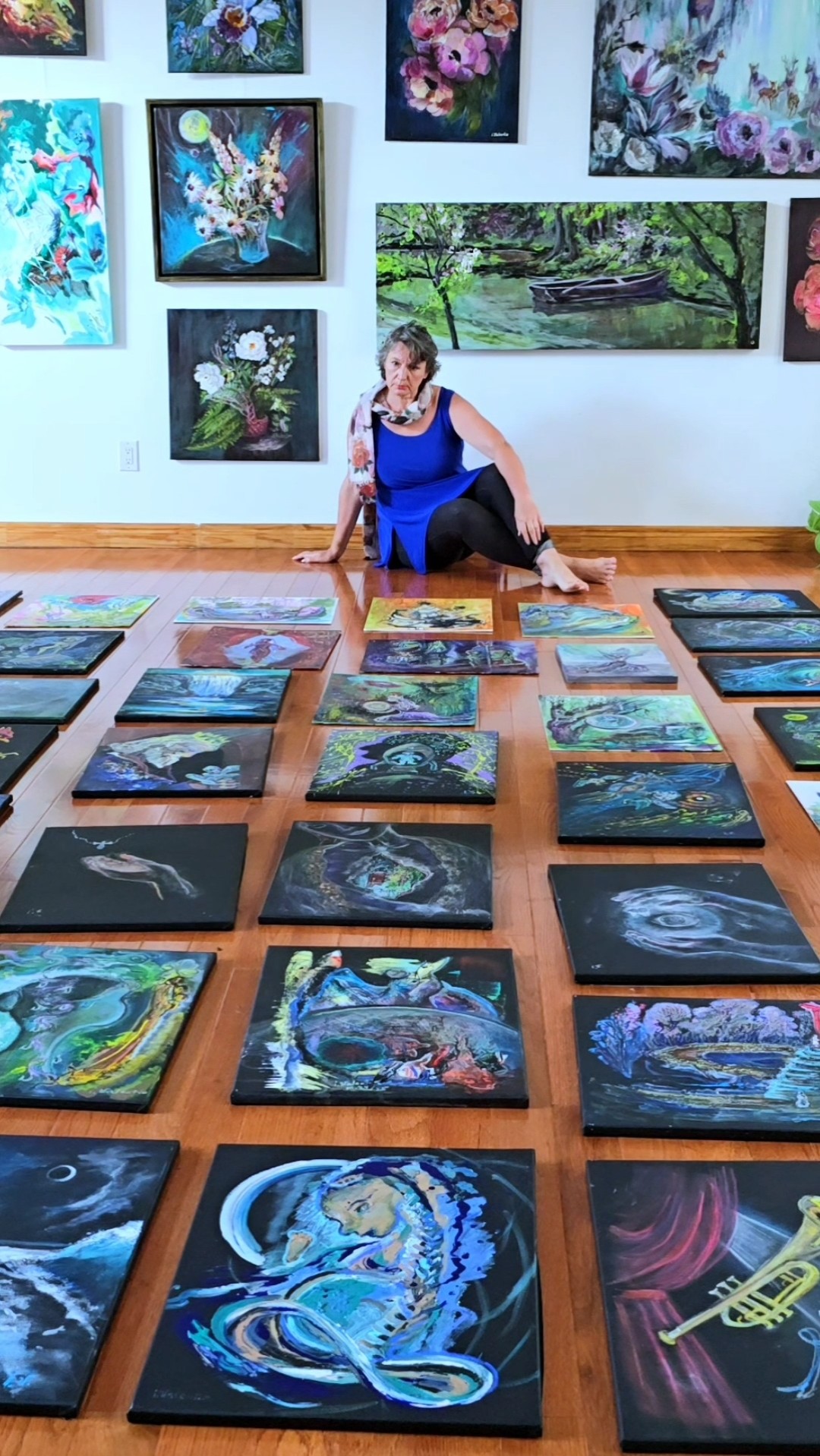
Irina Valentin is a registered clinical neuropsychologist and the developer of the Art of Emotions method. The method emerged from her own documented process of nervous system transformation, during which she mapped successive phases through symbolic painting and later systematized the developmental arc into a structured and repeatable framework.

With advanced training in both computer engineering and clinical psychology, her theoretical work integrates insights from polyvagal theory, predictive processing, semiotic mediation, and depth psychology. During the ongoing war in Ukraine, she has trained more than 400 mental health professionals through partnerships with Ukrainian universities.

Art of Emotions is her original intellectual property, developed independently and offered to professionals and individuals through the KINERGIA International Institute of Resilience and Human Development.

The Art of Emotions training program prepares professionals to apply this method responsibly in psychological, educational, and developmental contexts.

Ph.D. PsychologyC.Psych.SCA MSc EngineeringNeuropsychologistKINERGIA Founder

Level 2 Registration

Apply for
Practitioner Training

The Art of Emotions Level 2 Practitioner Training is now open. This program is designed for psychologists, psychotherapists, and clinicians who have completed Level 1 or have equivalent foundational experience.

Program
Art of Emotions Practitioner Training — Level 2
Format
Online · Live sessions with Dr. Irina Valentin
Eligible participants
Level 1 graduates · Psychologists · Psychotherapists · Clinicians
Language
English · Ukrainian available for KINERGIA cohorts
Start date
To be confirmed — register your interest below
Fee
Currently offered free of charge for Ukrainian mental health professionals

Register your interest

You will receive confirmation and program details by email. Ukrainian participants may also contact Dr. Valentin via the KINERGIA Telegram channel.

Contact

Get in touch

For training inquiries, Level 2 registration, or institutional collaborations, please contact the Art of Emotions program director, Dr. Irina Valentin, directly.

Select your area of inquiry